Tesla Model 3 Review 2025 — Range, Price, Tech & Why It Still
Tesla Model 3 Review 2025 — Range, Price, Tech & Why It Still Wins
Humanized, SEO-rich, and ready for publishing — includes an image gallery and local Kenya context. — Code and Clutch
Quick Summary
The Tesla Model 3 in 2025 remains the most practical, software‑driven electric car for buyers who want strong range, low running costs, and cutting‑edge features. This review covers what matters: real‑world range, charging, driving feel, build quality, cost in Kenya, and how the Model 3 stacks up against the Model Y and rival EVs.
This article is written to be both human and search‑friendly — optimized for keywords like "Tesla Model 3 2025", "Tesla in Kenya", and "electric car review". We use images and captions to improve engagement and social shares.
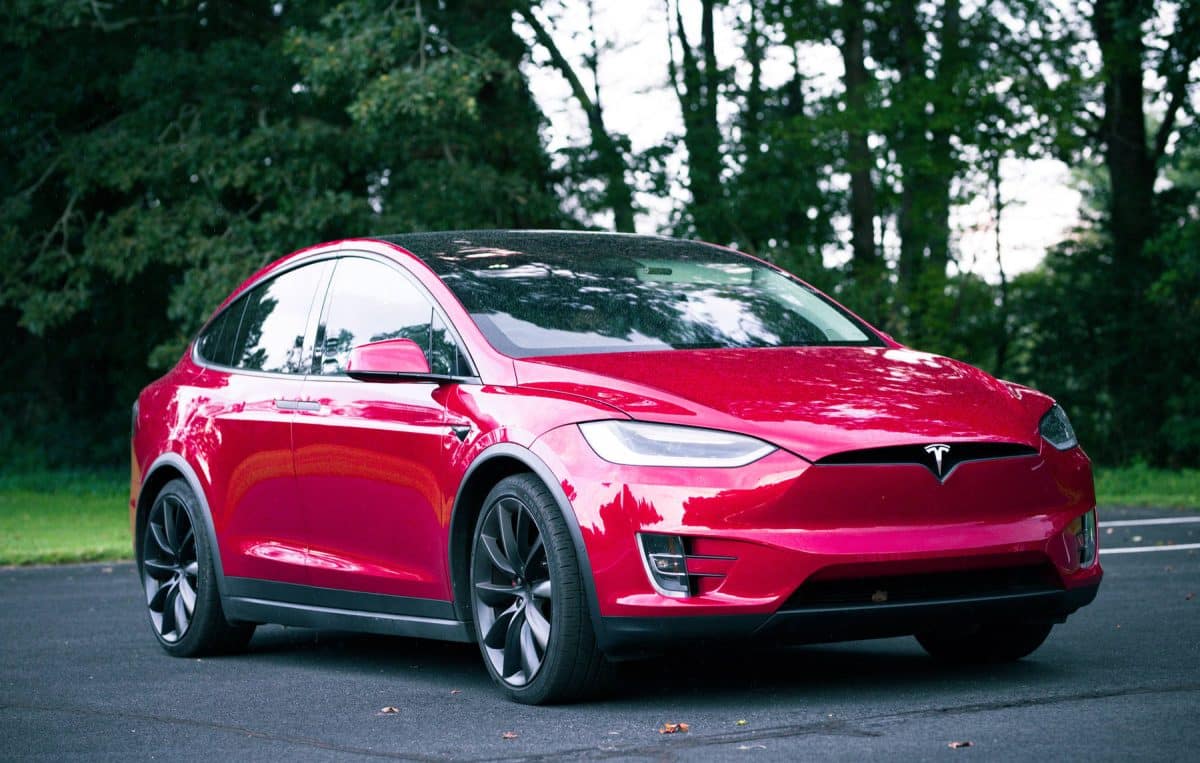
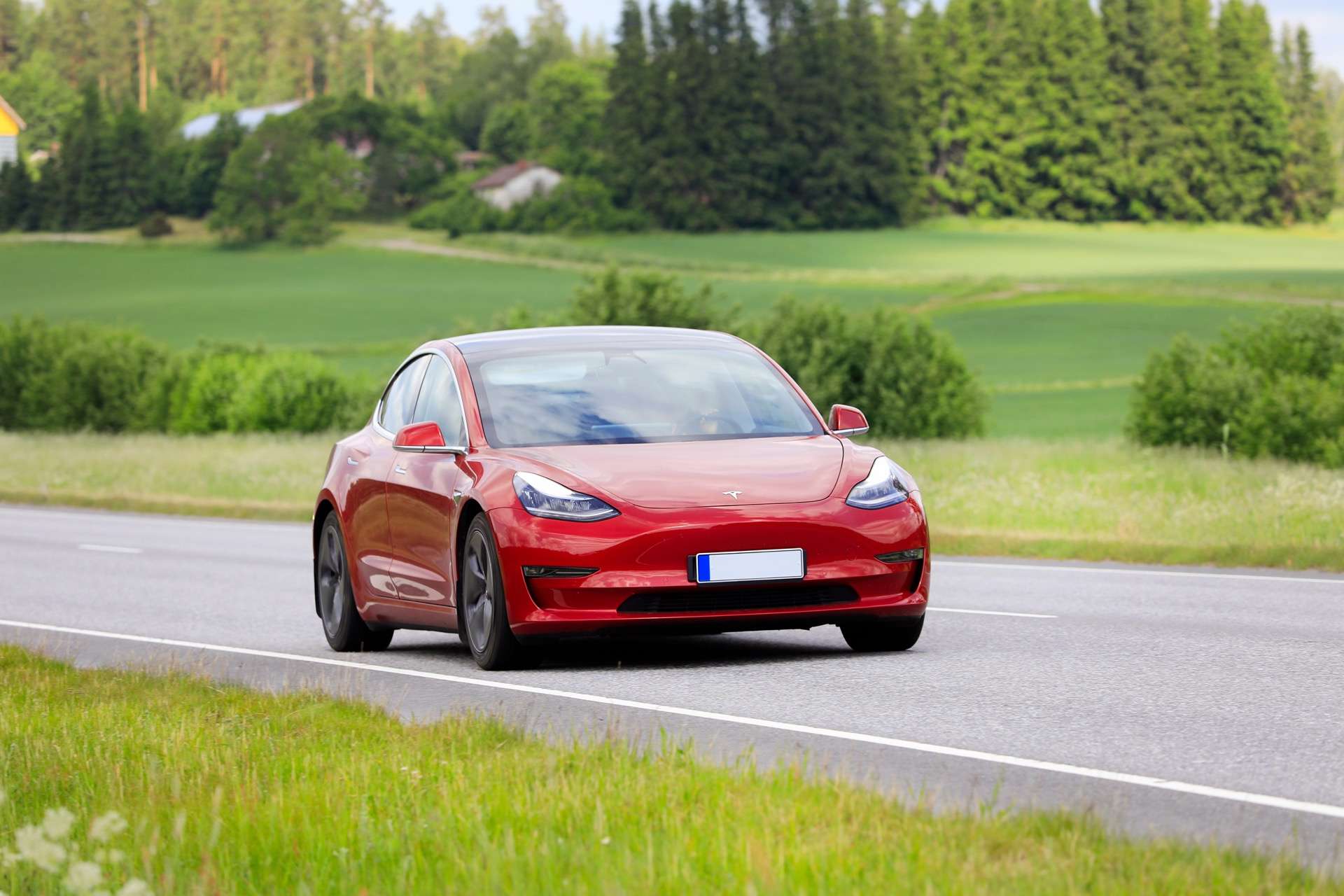
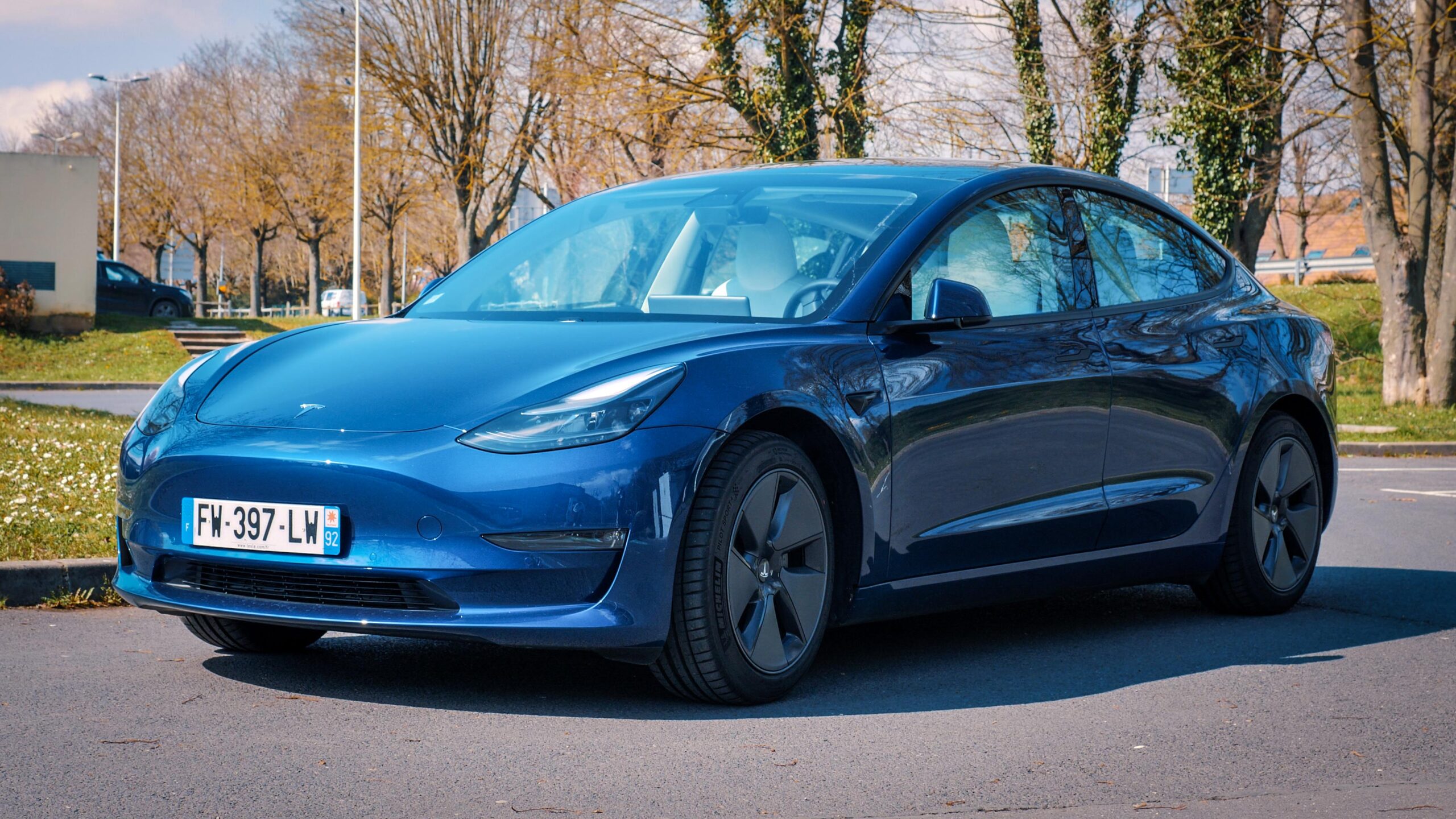
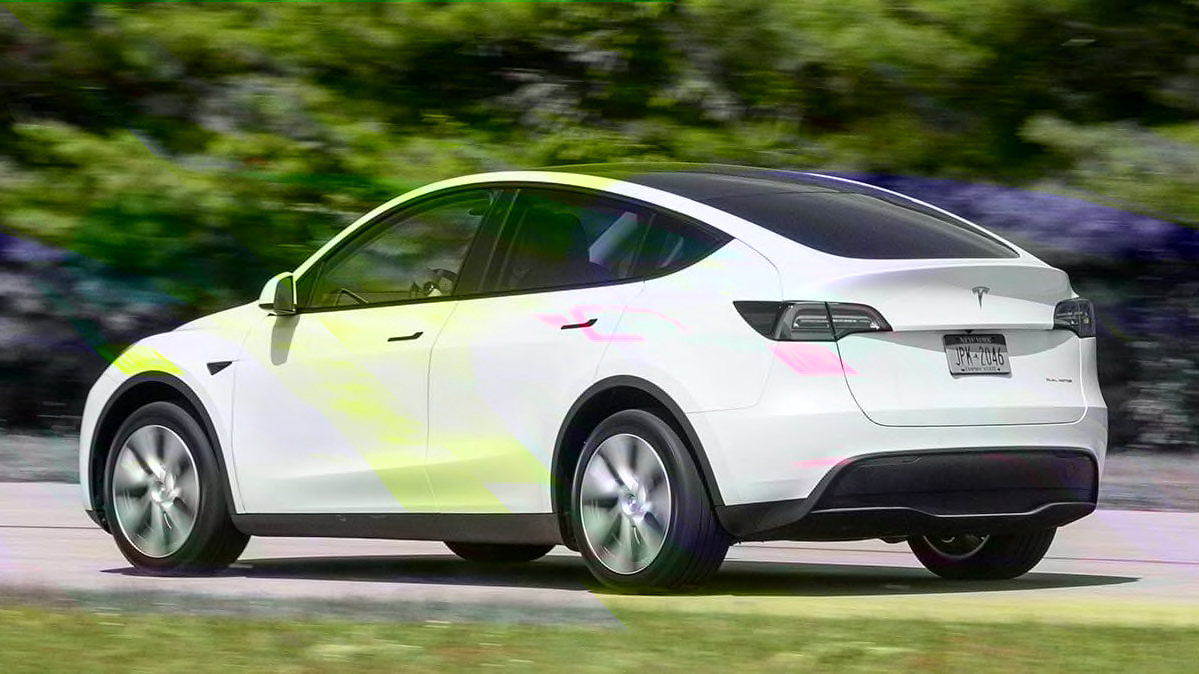
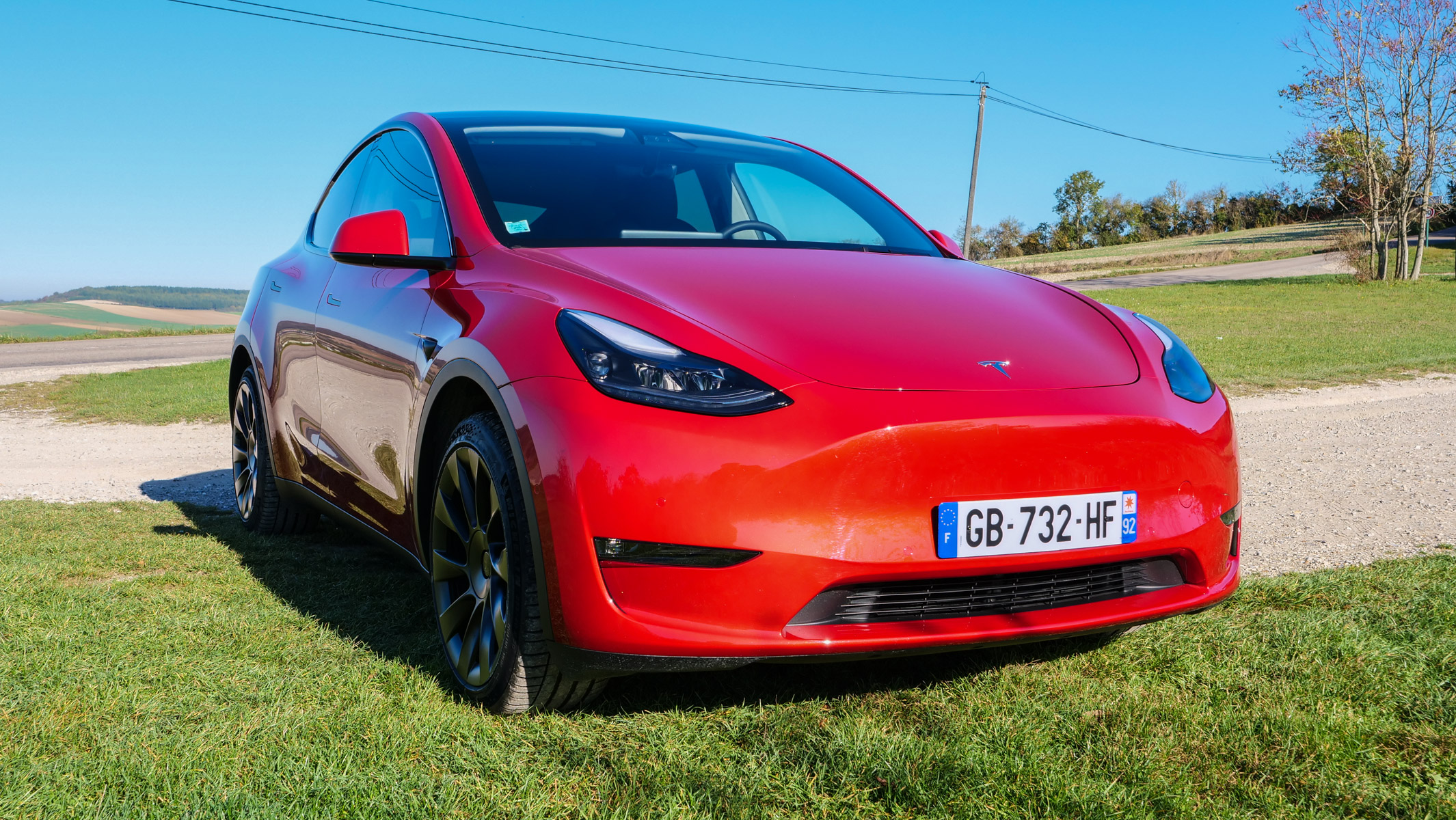
Photo Gallery — Tesla Model 3 & Model Y
Click, admire, and use these images as visual anchors inside your blog post. Each image uses lazy loading for page speed.
Real‑World Range & Charging
Tesla’s quoted ranges are optimistic but achievable with calm highway driving. In 2025, a well‑spec’d Model 3 long‑range can deliver between 480–520 km on a single charge in moderate conditions. Real‑world urban driving with AC on and mixed traffic typically yields 300–420 km depending on speed and climate.
Charging: Tesla’s Supercharger network remains the gold standard for fast, reliable charging. In Kenya and many African countries, public DC fast chargers are limited, so plan for home charging with a 7–11 kW AC wallbox when possible. A full 0–100% charge on a home wallbox may take 8–12 hours, while a DC fast charge (50–250 kW) can top 10–80% in 20–40 minutes depending on the charger and battery temperature.
Pro tip: For Kenya buyers, pairing a Tesla with a solar rooftop + battery storage can dramatically reduce running costs and improve charging resilience during power outages.
Range is affected by speed, elevation (Nairobi is at ~1,795 m), AC/heating use, and tyre choice. Always use the Tesla trip planner and allow preconditioning before fast charging to improve speeds and battery health.
Performance & Drive Experience
What makes the Model 3 feel special is instant torque and the software‑defined driving experience. The standard Model 3 is brisk; the Performance variant is blisteringly quick with 0–100 km/h in around 3.1 seconds (depending on year and tune).
Steering is precise, body control is excellent for an EV at this price, and the low center of gravity thanks to the battery pack gives it confident cornering. Road noise and NVH are better than many rivals, though some owners report occasional panel fitment inconsistencies — a minor tradeoff for the tech and performance offered.
“The Model 3 is less about flash and more about delivering a complete, software‑first driving experience that evolves over time.” — Code and Clutch
Price & Ownership Cost (Kenya)
Imported Tesla Model 3 pricing in Kenya varies heavily depending on age, trim, and import duties. As of 2025, expect a broad range: Ksh 6,000,000 to Ksh 12,000,000 or more for newer long‑range examples. Used safety inspections, shipping, VAT, and registration fees add to upfront costs.
Ksh 6M–Ksh 9M
Ksh 9M–Ksh 12M+
Very low: electricity vs petrol
Less frequent mechanical maintenance; tyres and brakes still apply
Insurance and spare parts for EVs are becoming easier to find in Kenya, but it's worth confirming available service centres and qualified technicians before purchase. Consider the total cost of ownership — electricity, fewer moving parts, and lower servicing frequency usually offset higher initial price over 4–6 years.
Model 3 vs Model Y vs Competitors
The Model Y is essentially a taller, roomier Model 3 with similar powertrains. Choose Model Y for families needing cargo and a higher driving position; choose Model 3 for better value, sportier handling, and slightly better efficiency.
Competitors to watch in 2025 include BYD’s range of sedans and crossovers, legacy automakers’ electric offerings, and startups like Rivian (for utility vehicles). However, Tesla’s software updates, Supercharger access (where available), and resale value often keep it ahead in total ownership value.
Buying Tips & Import Checklist (Kenya)
- Confirm battery health report and full service history.
- Verify VIN and original spec; check for any accident history.
- Budget for import duties, shipping, and registration fees.
- Arrange a qualified EV electrician to inspect the car on arrival.
- Plan how and where you’ll charge — home wallbox + solar is ideal.
- Confirm local warranty/support options and parts availability.
Imported Teslas sometimes arrive with US‑spec chargers or adapters — make sure appropriate chargers are installed for Kenyan mains (240V). A pre‑purchase inspection from a trusted EV mechanic will save money and headaches.
Frequently Asked Questions
Is the Tesla Model 3 reliable?
Generally yes — strong electric powertrain reliability but occasional cosmetic or fit issues reported. Software improves the experience over time.
Can I charge a Tesla at home in Nairobi?
Yes — with a dedicated wallbox or Level 2 charger. Pairing with solar improves resilience and cost.
How long do Tesla batteries last?
Tesla batteries are designed to retain most capacity for 8–10+ years with smart charging habits; degradation is gradual.
Conclusion — Is the Model 3 Right for You?
The Tesla Model 3 in 2025 remains a compelling package: accessible technology, impressive range, and an ownership experience defined by continuous software improvements. For Kenyan buyers willing to manage the import process or wait for local availability, the Model 3 offers long‑term savings and a future‑proof driving experience.
If you’re a practical buyer focused on range, low running costs, and modern safety tech, the Model 3 is a strong choice. If you need space and flexibility, the Model Y is the natural sibling to consider.
Visit Code and Clutch for Tesla imports, listings & expert buying advice




Comments
Post a Comment