How to Budget for Your First Car in Kenya (2025)
How to Budget for Your First Car in Kenya (2025)

Buying your first car in Kenya is an exciting milestone, but without a proper budget, it can quickly become overwhelming. From loans and down payments to insurance and maintenance, understanding all the costs involved is key. In 2025, with fluctuating car prices and interest rates, planning ahead is more important than ever. This guide by Code & Clutch will help you budget wisely and make smart car buying decisions.
Step 1: Determine Your Total Budget
Start by calculating how much you can comfortably spend on your first car. Consider:
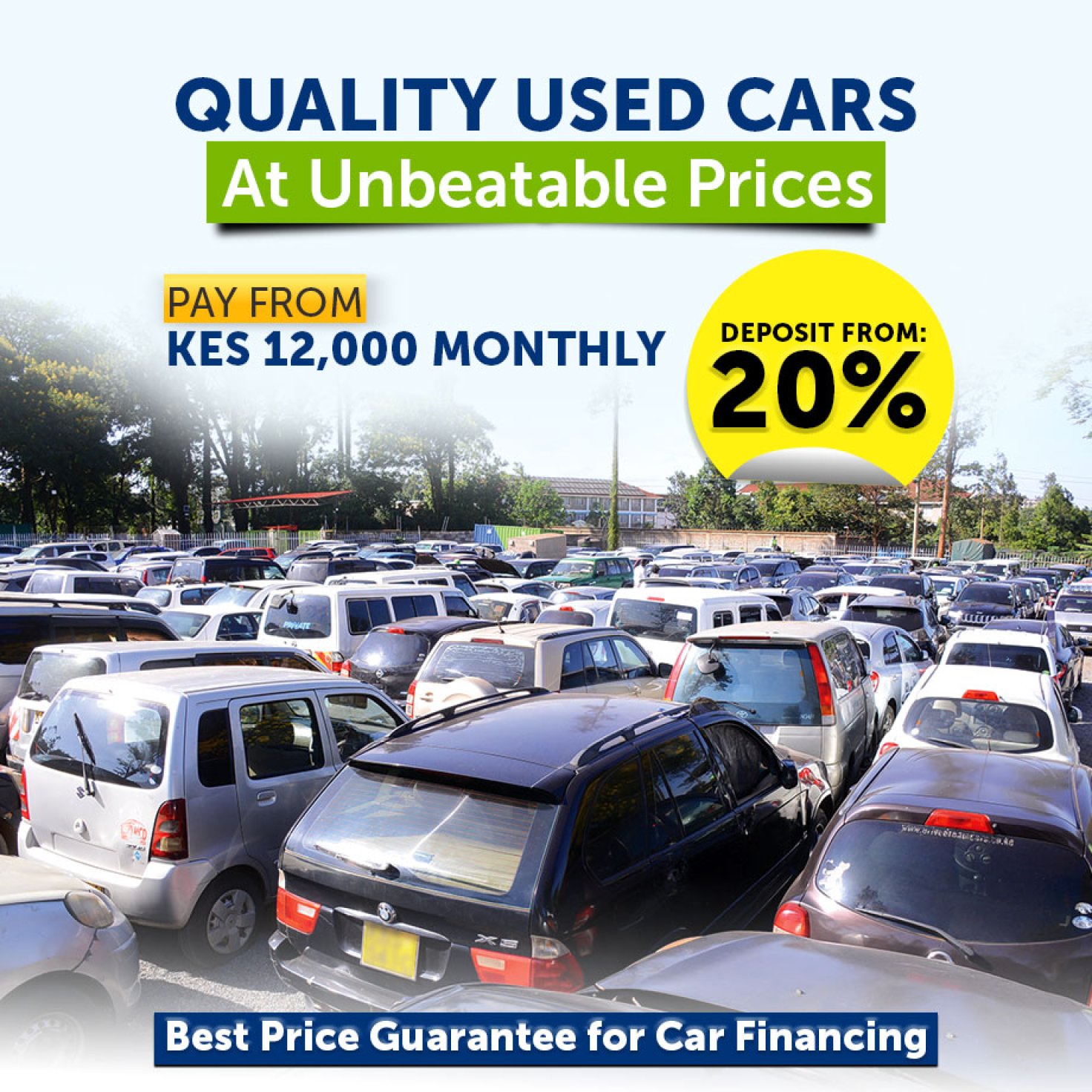
- Down Payment: Usually 20–30% of the car price.
- Monthly Loan Installments: Based on interest rates and loan term.
- Insurance Premiums: Third-party vs. comprehensive coverage.
- Maintenance & Fuel: Budget for regular servicing and daily fuel costs.
Step 2: Use an Affordability Calculator
You can quickly estimate your monthly car budget using this simple formula:
Monthly Car Budget = (Net Monthly Income x 30%) - Other Loan Obligations
This ensures your car expenses don’t strain your finances.
💬 Need Help Finding Your First Car?
At Code & Clutch, we connect you with trusted sellers, financing options, and insurance partners in Kenya. Make your first car purchase stress-free!
Chat with Us on WhatsAppStep 4: Financing Options – Banks vs. SACCOs
Most first-time car buyers in Kenya rely on financing to make the purchase manageable. Choosing between a bank loan and a SACCO loan can significantly affect your monthly payments and overall cost.
1. Bank Car Loans
- Interest rates typically range from 12% – 16% per year.
- Loan tenure is usually 1–5 years.
- Requires a good credit score and sometimes a co-signer.
- Down payments often start at 20% of the car value.
2. SACCO Car Loans
- Lower interest rates, often 8% – 12% per year.
- Flexible repayment options depending on your SACCO membership.
- May require proof of regular contributions to the SACCO.
- Generally faster approval and processing than banks.
Tip: Compare interest rates, fees, and repayment flexibility before deciding. Sometimes combining a SACCO loan with a smaller bank loan can optimize affordability.

Step 5: Insurance & Maintenance Costs
Insurance and maintenance are ongoing costs that must be included in your budget. Skipping them can quickly turn your first car into a financial burden.
1. Car Insurance
- Third-Party Insurance: Covers damages to other people and property. Cheapest option.
- Comprehensive Insurance: Covers your car, passengers, and third-party liability. Recommended for new cars.
- Premiums in 2025 range from KSh 25,000 – 80,000 annually depending on coverage and car value.
2. Maintenance Costs
- Regular servicing every 5,000–10,000 km.
- Fuel costs depending on car model and mileage.
- Unexpected repairs (tires, brakes, battery) – budget at least KSh 10,000 – 20,000 annually for a used car.
Pro Tip: Opt for a comprehensive insurance plan if your car is new or expensive. Set aside a small monthly maintenance fund to avoid surprises.
Step 6: Summary & Final Budget Tips
Budgeting for your first car in Kenya doesn’t have to be complicated. Here’s a quick recap:
- Determine your total budget including down payment, loan installments, insurance, and maintenance.
- Use an affordability calculator to ensure monthly payments fit your finances.
- Compare financing options: banks vs SACCOs to find the most flexible and affordable plan.
- Include insurance and maintenance in your monthly planning.
- Set aside a small emergency fund for unexpected car expenses.
By following these steps, you can confidently purchase your first car without stretching your budget. Planning ahead ensures a smooth ownership experience and protects your finances.
🚗 Ready to Buy Your First Car?
At Code & Clutch, we connect you with trusted sellers, financing options, and insurance partners in Kenya.
💬 Chat with Us on WhatsApp




Comments
Post a Comment