🚗 Understanding Japanese Car Auction Grades: What 6, 5, 4.5, R, RA Mean Before You Import
🚗 Understanding Japanese Car Auction Grades: What 6, 5, 4.5, R, RA Mean Before You Import
When it comes to importing a car from Japan to Kenya, one of the most confusing (yet most critical) aspects for first-time buyers is auction grading. These mysterious numbers and letters—like Grade 4.5, RA, or Grade 6—hold powerful clues about a vehicle’s condition, history, and resale value.
If you’ve ever wondered what those grades actually mean and how they can save (or cost) you thousands, this article breaks it all down for you. Let’s decode the Japanese car auction grading system—line by line, panel by panel—so you can make informed choices and avoid costly surprises.
🏁 What Is a Japanese Car Auction?
Before most used Japanese cars are exported, they go through highly regulated auctions. These auctions are not like Western-style shout-and-bid markets—they are data-driven, digital platforms run by trusted organizations like:
-
USS (Used Car System Solutions)
-
TAA (Toyota Auto Auction)
-
JU (Japan Used Car Dealers Association)
-
CAA, HAA, NAA, ARAI, and more.
Each vehicle listed at auction has a full inspection report, including:
-
Auction Grade
-
Interior/Exterior condition
-
Repair history
-
Mechanical/structural issues
-
Odometer reading
-
Auction sheet (with damage diagram)
🔢 What Are Auction Grades?
Japanese auction houses use a grading scale to give an overall summary of the car’s condition and history. Grades fall into two broad categories:
1. 📈 Numerical Grades (6, 5, 4.5, 4, 3.5, 3, 2, 1, 0)
These reflect the overall condition of the vehicle.
2. ⚠️ Letter Grades (R, RA, A, S)
These indicate accident history or if the car has undergone repairs or replacements.
Let’s break them down:
🔝 Top Auction Grades & What They Mean
🟢 Grade 6
-
Almost new, likely a demo or showroom car.
-
Odometer under 10,000 km.
-
Rare and expensive.
-
Condition: Flawless.
🟢 Grade 5
-
Excellent condition, near-new car.
-
Mileage usually under 50,000 km.
-
Zero mechanical issues.
-
Often still under warranty.
🟢 Grade 4.5
-
Very clean and well-maintained.
-
Small imperfections only (minor scratches/dings).
-
Mileage under 100,000 km.
-
Top choice for importers.
🟢 Grade 4
-
Clean car, some wear expected (minor scratches, faded paint).
-
Usually under 150,000 km.
-
Still a solid buy for Kenya’s market.
✅ Tip: Most importers into Kenya prefer Grade 4 or higher for a balance between price and quality.
⚠️ Mid-Low Auction Grades
🟡 Grade 3.5
-
Fair condition.
-
More visible scratches, minor rust, minor panel repairs.
-
Mileage may exceed 150,000 km.
-
Still functional but needs polishing.
🟡 Grade 3
-
Older car, visible wear and tear.
-
Might need body work.
-
Mileage often over 180,000 km.
-
Good for budget buyers, not ideal for resale.
🔴 Grade 2 / 1 / 0
-
Poor condition or very high mileage.
-
May have engine or chassis issues.
-
Often not recommended for import unless for parts or off-road use.
🚧 Repair & Accident Grades (Letter Grades)
⚠️ R Grade
-
Vehicle was involved in an accident.
-
Structural parts replaced (e.g., pillars, chassis, floor).
-
Repaired and now drivable, but resale value lower.
⚠️ RA Grade
-
Minor accident history, light panel repair only.
-
Structural components untouched.
-
Safer than full “R” grade.
⚠️ A Grade (Interior Grade)
-
A means Excellent Interior.
-
Paired with numbers like “4/A” (Grade 4 overall, A interior).
🟢 S Grade
-
Factory-new or under 1 year old.
-
Mileage under 5,000 km.
-
Essentially brand-new, sometimes unsold inventory.
🧾 Sample Auction Sheet Breakdown
Here’s what a typical auction sheet might say:
| Field | Value |
|---|---|
| Grade | 4.5 |
| Mileage | 87,000 km |
| Interior | B |
| Exterior | A |
| Comments | Minor scratches on front bumper |
| Diagram | Small "U1" (dent) on right door |
✅ Translation tip: “A1” = light scratch, “U1” = small dent, “W1” = wave in panel, “X” = replaced part
🧠 Why Auction Grades Matter to Kenyan Importers
🔒 Transparency
Auction grades protect you from scams. You’ll know exactly what you’re getting—no sugarcoating.
💰 Price Estimation
Higher grades (4.5, 5) command higher prices. Lower grades (3, R) can be cheaper—but riskier.
📉 Resale Value
Cars with “R” or “RA” grades drop faster in value, and are harder to resell in Kenya.
🚘 Performance & Safety
High-grade vehicles are more reliable and need fewer repairs after arrival.
🛡️ Code & Clutch Tips for Buyers
✅ Always Ask for the Auction Sheet
A legit dealer or agent will provide the original sheet—avoid those who hide it.
✅ Translate the Sheet (or Ask Us)
Use tools like Google Translate or request our team at Code & Clutch to translate the Japanese auction sheet for free.
✅ Don't Fear RA Grade (with Proof)
If a car is RA grade and the sheet confirms minimal cosmetic repair, it can still be a great buy at a lower price.
❌ Avoid "Ungraded" or "Grade 0"
These are often salvage units or failed auction listings. Not recommended unless you're a mechanic.
🖼️ Suggested Images for This Article
-
Sample Japanese auction sheet (highlighting grade)
-
Diagram showing meaning of “A1”, “U2”, “W1”, etc.
-
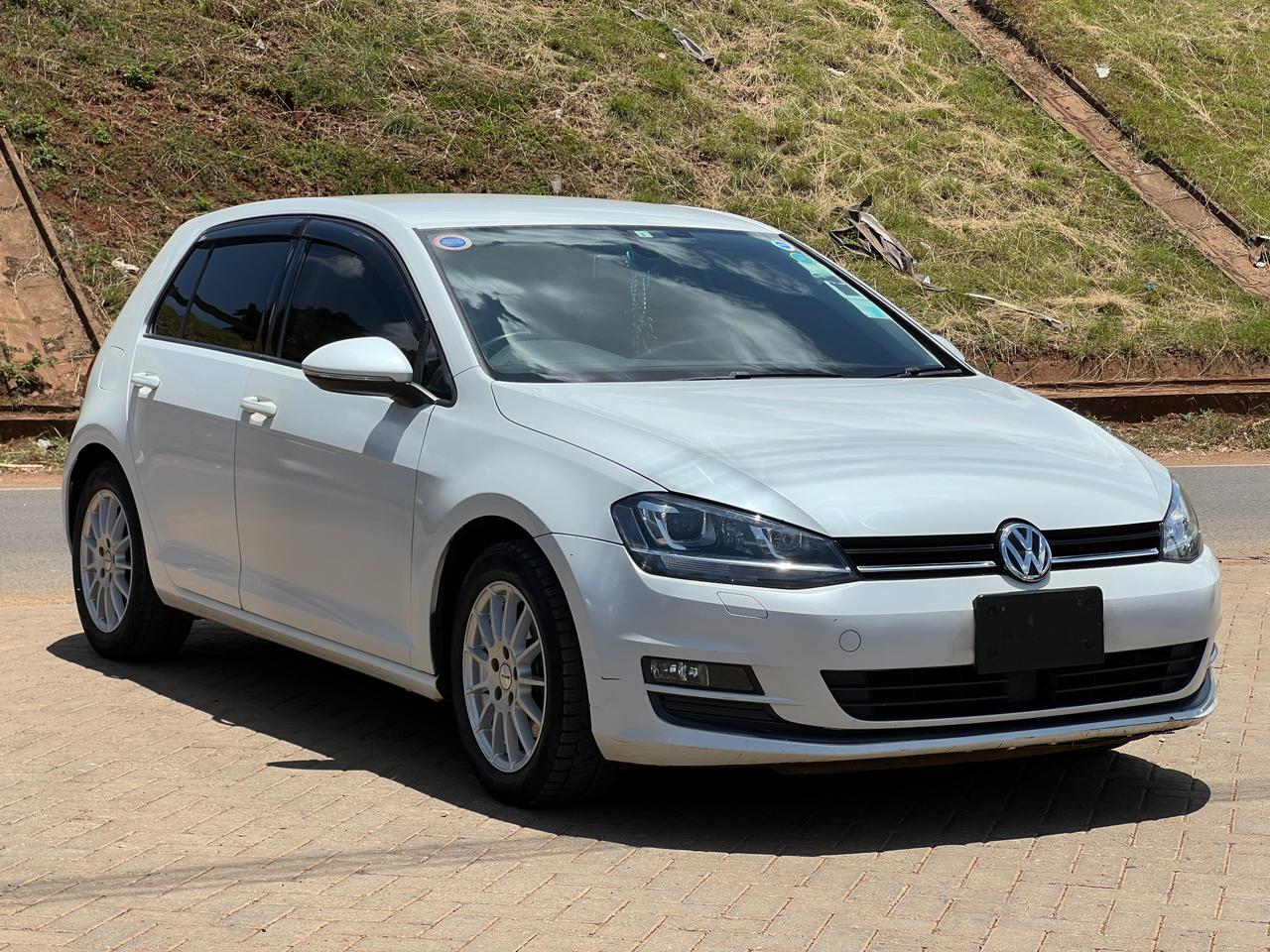
A Grade 5 vehicle photo (interior/exterior)
-
Auction floor photo (USS Tokyo)
-
Infographic comparing auction grades 6 to R
🚘 Final Word: Don’t Just Buy by Looks—Buy by Grade
In Japan’s ultra-honest used car industry, auction grades are the real story behind the shine. Knowing how to read them gives you an edge as a buyer. At Code & Clutch, we always recommend vehicles with Grade 4 and above for peace of mind, great performance, and better resale in the Kenyan market.
If you're ever unsure, get in touch. We'll review your auction sheet, inspect for red flags, and ensure you drive home a gem—not a dud.




Comments
Post a Comment