🚘 How to Spot a Good Deal on Imported Cars in Kenya: Tips for Auction Bids & Clearing Costs
🚘 How to Spot a Good Deal on Imported Cars in Kenya: Tips for Auction Bids & Clearing Costs
Introduction: Don’t Overpay for an Imported Car
Importing a car into Kenya can be one of the smartest financial decisions you’ll ever make—or a costly mistake if you’re not careful. Many Kenyans have lost money by overbidding in auctions, underestimating clearance costs, or falling for deals that seemed too good to be true. On the other hand, those who understand how the system works—from auction dynamics to port logistics—often score quality cars at unbeatable prices.
In this guide, we’ll walk you through how to spot a genuinely good deal on imported vehicles, including auction bid strategies, hidden fees at clearance, red flags in listings, and how to compare cars from Japan, the UK, and the UAE. If you want to import a car into Kenya without breaking the bank, keep reading.
1. Understand the Real Total Cost (Beyond Auction Price)
Many first-time importers make one big mistake: they only focus on the auction or seller price. But that’s just a fraction of the actual cost. Here’s what you’ll likely pay in total:
-
Auction/sale price (in JPY, GBP, AED)
-
Shipping cost (usually $800–$1,200 from Japan)
-
Marine insurance
-
Import duties and taxes (including import duty, VAT, excise duty, IDF, and RDL)
-
Clearing fees at the port
-
Port handling & storage fees (demurrage)
-
NTSA logbook and registration
💡 Tip: Always budget about 80%–100% of the car’s CIF value (Cost, Insurance, Freight) for Kenya Revenue Authority (KRA) duties.
2. Mastering the Auction Game: How to Bid Smartly
If you're importing from Japan, the UK, or UAE, chances are you’ll buy through an auction or dealer listing. Japanese auctions are the most popular and offer the best transparency—if you know how to navigate them.
🧠 How to Bid Smart:
-
Set a ceiling price: Know your maximum final CIF price and work backwards.
-
Include taxes in your budget: A car worth $5,000 might end up costing $9,000 after clearance.
-
Choose mid-week auctions: Monday and Friday auctions often have more aggressive bidding; midweek is quieter.
-
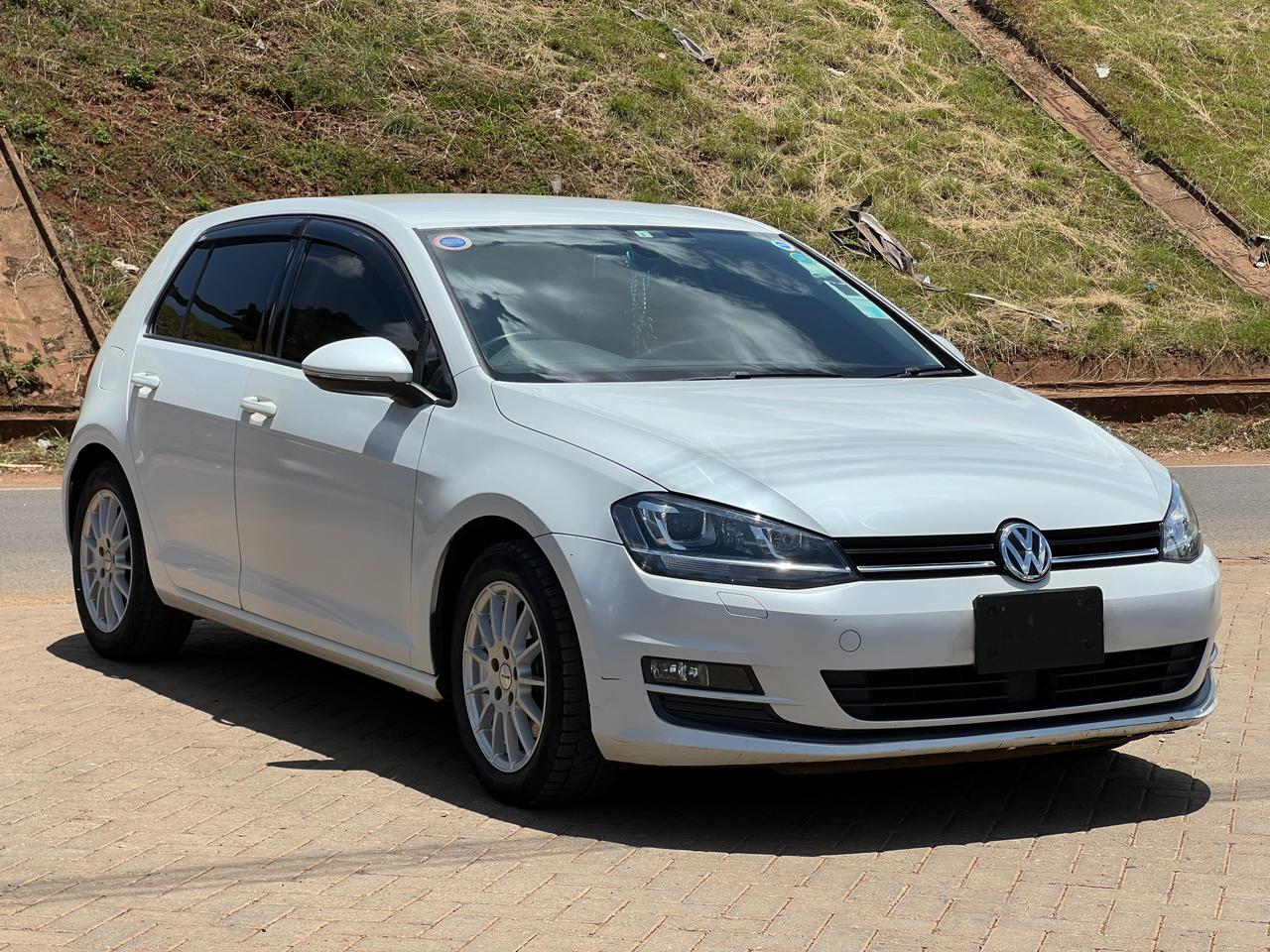
Go for unpopular colors/models: White or silver hatchbacks are cheaper due to market oversupply.
-
Let your agent bid—not you: Most reliable agents will help you avoid emotional overspending.
🔁 Bonus Strategy:
If your bid is rejected but close to the seller’s reserve price, some auction houses allow a negotiation window post-auction. Ask your agent to negotiate.
3. Red Flags to Watch in Auction Listings
Not every deal is a bargain. You might see a low-priced car online, but the devil is in the details. Here's what to look out for:
🚩 Watch These Warning Signs:
-
Grade below 3.5: Means the car is worn out, has scratches, or interior damage.
-
Accident grades (R, RA): Might be repaired, but value drops significantly.
-
Odometer tampering: Anything under 40,000 km on a 10-year-old car is suspicious.
-
“Unknown” service history: You might be importing a ticking time bomb.
-
Water damage or “flood” vehicles: Especially common from UAE during rainy season.
✅ What to Aim For:
-
Grade 4.5 and above
-
Verified auction sheet
-
Full-service history
-
Clean chassis with no accident or repair marks
4. Comparing Japan, UK, UAE Auctions: Which Has Better Deals?
Here’s a quick comparison of car imports from Japan, the UK, and the UAE:
| Country | Pros | Cons | Best For |
|---|---|---|---|
| Japan | Clean history, large variety, auction sheets | Right-hand drive only, demand-driven pricing | Hatchbacks, Hybrids, SUVs |
| UK | European brands, turbo diesels, low prices | Weather wear, possible rust, Left-hand conversions | Luxury sedans, Prestige |
| UAE | Flashy models, low mileage, dry climate | Left-hand drive, conversion required, some flood cars | SUVs, Luxury cars, Sports cars |
💡 Tip: Japan is generally safest, UK is cheapest for prestige, UAE gives you unique finds if you know what you're doing.
5. How to Avoid Surprise Clearing Costs in Mombasa
Even if you get a great deal at auction, Mombasa port can be a trap if you’re not prepared. Here’s how to keep your clearance costs under control:
💼 What to Prepare in Advance:
-
Complete documents: bill of lading, inspection certificate, IDF, KRA PIN
-
Pre-clear before arrival: Start the customs process even before the car arrives.
-
Pay demurrage early: Delays can cost KES 3,000+ per day after 4 free days.
-
Hire a reliable clearing agent: Not the cheapest, but the most transparent.
💡 Pro Tip: Use a customs agent familiar with your port terminal—they move faster due to connections with KRA officers and port workers.
6. Use of Agents: When They Save You and When They Don’t
✅ When to Use an Agent:
-
You’re a first-time importer
-
You don’t know the auction platforms
-
You’re not based in Japan/UAE/UK
-
You don’t want to handle clearance paperwork
❌ When to Skip the Agent:
-
You’ve imported before and know what to do
-
You have direct connections with clearing agents
-
You’re ordering from a fixed-price listing (not bidding)
💡 Good agents often save you KES 50,000–100,000 by avoiding delays and hidden charges.
7. Trusted Sites & Dealers to Monitor for Good Deals
Here's a list of legit car auction sites and export companies Kenyan buyers frequently use:
-
Japan:
-
UK:
-
BCA Car Auctions
-
Copart UK
-
AutoTrader UK
-
-
UAE:
-
DubiCars
-
Al-Futtaim Automall
-
Emirates Auction
-
⚠️ Caution: Never send money to an individual seller. Use companies with escrow systems or pay through trusted third-party payment providers like Pesapal, WorldRemit, or your bank.
8. Tips from Experienced Importers in Kenya
We asked experienced Kenyan importers what advice they’d give first-timers:
🗣 “Start small. I imported a Mazda Demio before going for a Harrier. Learn the ropes first.”
🗣 “Don’t be greedy in auctions. Winning too cheap can mean the car has issues.”
🗣 “Use KRA's Simba System calculator early to avoid surprise taxes.”
🗣 “Always get your own inspection done even if the exporter claims it’s passed JEVIC.”
9. Conclusion: Patience Pays in Car Importing
Finding a good deal when importing a car to Kenya isn’t just about spotting a low price—it’s about seeing the total picture. From auction grade to clearance, taxes, shipping, and port handling, every stage matters.
By bidding smartly, working with trusted agents, and watching out for red flags, you’ll not only save money—you’ll also drive a better, safer car on Kenyan roads.
📥 Want an Easier Way to Estimate Car Import Costs?
Use the free Car Import Duty Calculator on Code & Clutch to get instant estimates based on KRA formulas.
👉 Visit codeandclutch.blogspot.com




Comments
Post a Comment